

Underrated Seaside Destinations That Deserve More Attention in 2026
Travelers are becoming more selective about where they spend their coastal holidays. Famous beach destinations still attract attention, but many visitors now want places that feel quieter, more affordable, and less commercial. In 2026, this trend is likely to favor coastal spots that offer clear water, strong scenery, local culture, and fewer crowds than major resort hubs.
These places are often described as alternatives to better-known destinations. Still, they do not need to be exact copies. Ksamil in Albania does not need to imitate the Greek islands. Koh Yao Noi in Thailand does not need to compete directly with Phuket, just as whangamata appeals to New Zealand beach travelers for surfing, coastal walks, cafés, and a relaxed Coromandel atmosphere. Their appeal comes from offering a slower, more grounded seaside experience.
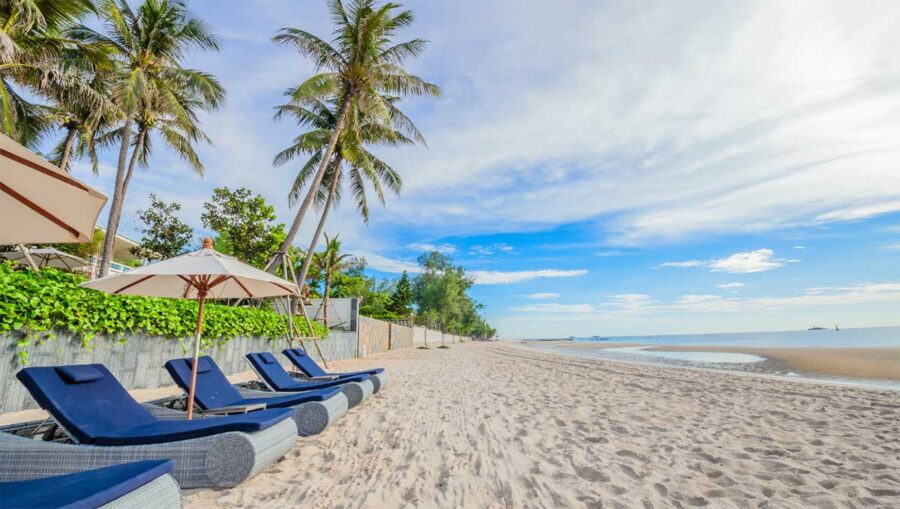
Image source: Canva Editor
Why Lesser-Known Coastal Places Are Gaining Attention
Several factors explain the shift. Many travelers are more aware of overtourism, especially in beach towns where restaurants, roads, and waterfront areas feel overcrowded. Rising prices in major coastal hotspots have also made smaller destinations more attractive.
There is also a practical change in how people discover places. A beach no longer needs decades of international promotion to gain attention, especially when travelers use video guides, short travel clips, and tools like Youtube to MP4 to save route ideas or destination footage for offline planning. If it has striking landscapes, decent accommodation, and manageable access, it can quickly enter travel shortlists.
Europe’s Quiet Coastal Alternatives
Europe has several seaside places that fit the 2026 trend well. Albania’s Riviera is one of the strongest examples. Towns such as Ksamil, Himarë, and Dhërmi offer Ionian water, mountain views, and a relaxed atmosphere that appeals to travelers seeking Mediterranean beauty without the same expense.
Croatia also has quieter corners beyond its best-known cities and islands. Vis Island is valued for its fishing villages, coves, vineyards, and slower rhythm. Zavala on Hvar offers a smaller village feel, especially for travelers who prefer natural beaches over polished resort areas.
Italy’s Isola di Vulcano brings a different kind of coastal appeal. Instead of the refined image of Capri or the Amalfi Coast, Vulcano feels raw and geological, with black-sand beaches, volcanic features, and a strong sense of place.
Whangamata in New Zealand can also be mentioned in this wider conversation about quieter coastal towns. It is not part of the Mediterranean trend, but it reflects the same appeal: surf, beach walks, local cafés, and a relaxed coastal setting.
Asia, Africa, and the Americas Offer Strong “Next Wave” Options
In Asia, Koh Yao Noi stands out because it offers a calmer version of Thailand’s island experience. Rice fields, small villages, beach views, and low-key accommodation create a setting that feels less shaped by mass tourism. The Calaguas Islands in the Philippines appeal to travelers who prefer simpler infrastructure and wide white-sand beaches.
India also has coastal alternatives with growing appeal. Minicoy in Lakshadweep offers lagoon scenery and a more restricted, less commercial environment. Kudle Beach in Gokarna suits slow travel, yoga, beach cafés, and sunset walks.
Africa brings a different kind of coastal promise. Vilanculos in Mozambique works as a gateway to the Bazaruto Archipelago, where dunes, turquoise water, and marine activities create a memorable Indian Ocean experience. São Tomé and Príncipe offers a more remote option, combining volcanic landscapes, rainforest, and quiet beaches.
In the Americas, Little Corn Island in Nicaragua is a useful example of a car-free, low-density Caribbean setting. Bacalar in Mexico, although technically a lagoon rather than an ocean beach, gives travelers clear blue water and a calmer alternative to more crowded coastal areas.
Top 5 Factors to Consider Before Choosing an Underrated Seaside Destination
- Access
Some hidden coastal places require ferries, permits, small airports, or long road transfers. - Infrastructure
A quiet beach may also mean fewer medical services, basic roads, limited nightlife, or inconsistent internet. - Seasonality
Weather patterns matter. Monsoon seasons, rough seas, or extreme heat can change the trip. - Local impact
Smaller communities can be affected quickly by sudden tourism growth. Local lodging, guides, and restaurants help keep value in the area. - Travel style fit
A remote island may suit someone who wants reading, walking, and snorkeling. It may not suit someone expecting extensive dining, shopping, and organized tours.
Practical Travel Scenarios
A remote worker choosing Bacalar might value calm water views, boutique stays, a quieter social scene, and evening entertainment options such as film guides or streaming-related platforms like spacemov, but they should check internet reliability before booking a long stay. A nature-focused traveler choosing the Osa Peninsula in Costa Rica might prioritize wildlife, guided hikes, and rainforest access while accepting that transport may be less convenient than in mainstream beach towns.
Conclusion
Underrated seaside destinations are gaining attention because they offer a different balance: beauty without the same crowds, memorable settings without the most inflated prices, and local character that can be harder to find in mature resort areas. In 2026, places such as the Albanian Riviera, Koh Yao Noi, Calaguas, Vilanculos, Little Corn Island, and selected Mediterranean corners are likely to attract travelers who want coastal experiences with more space and stronger identity.
EXPLORE SOMEWHERE NEW
BUY A PRINT
All photos on this site are available as limited edition fine art photographic prints. Please get in touch for sizes and rates.