

Why It’s Important for Students to Travel
Travel is often viewed as a luxury or a recreational activity, but for students, it can be one of the most valuable educational experiences available.
While classrooms provide theoretical knowledge, traveling allows students to apply what they learn in real-world situations. Whether exploring another state, participating in a study-abroad program, or taking a budget-friendly road trip, travel helps students develop skills that can benefit them academically, professionally, and personally.
For college students in the United States, travel offers opportunities to expand perspectives, gain independence, and build experiences that can enhance future careers. In today’s interconnected world, understanding different cultures and environments has become increasingly important. This article explores why travel is essential for students and how it contributes to personal growth and long-term success.
Travel Expands Cultural Awareness
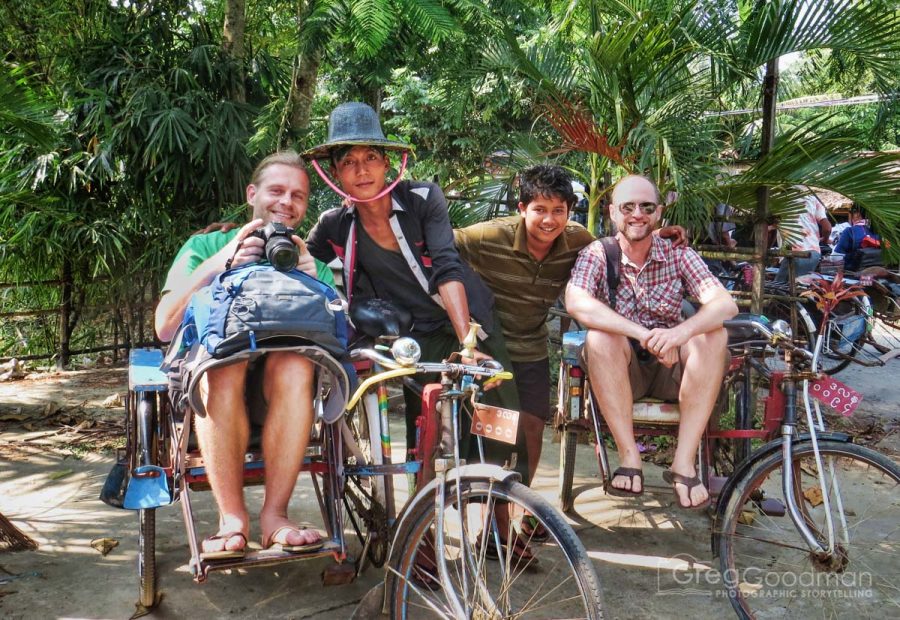
One of the most significant benefits of travel is exposure to different cultures. Students who travel gain firsthand experience with diverse traditions, languages, values, and lifestyles. This exposure helps break stereotypes and encourages a deeper understanding of people from different backgrounds.
For example, a student visiting another country may learn how local communities approach education, family life, or business practices differently from what they are accustomed to in the United States. Even domestic travel can expose students to regional differences that broaden their perspectives.
Cultural awareness is a valuable skill in today’s global workforce. Employers increasingly seek candidates who can work effectively with people from diverse backgrounds. Travel helps students develop this understanding naturally through real-life interactions.
Travel Improves Problem-Solving Skills
Travel is one of the best ways for students to strengthen their problem-solving abilities. When exploring new places, students often encounter unexpected situations: missed transportation, language barriers, budget limitations, or sudden changes in plans. These experiences encourage them to think critically, adapt quickly, and find practical solutions. Over time, students become more confident in handling challenges and making decisions independently. The ability to evaluate options and act under pressure is valuable not only during travel but also in academic and professional settings. As a result, students learn how to find quick results and discover new approaches to difficult tasks. This mindset can be especially useful in college, where managing multiple assignments, exams, and deadlines requires strong organizational and problem-solving skills. Sometimes, students may feel overwhelmed by complex academic projects and start looking for efficient ways to manage their workload. In these situations, many ask themselves, “Can someone do my powerpoint for me online?” Professional academic assistance can help students better manage their time while allowing them to focus on other important responsibilities. Just as travel teaches students to seek effective solutions when challenges arise, knowing when to seek expert guidance can be another example of smart problem-solving and resource management.
Building Independence and Self-Confidence
College years are a critical period for developing independence. Travel accelerates this process by placing students in unfamiliar environments where they must navigate daily tasks themselves.
From managing budgets and planning itineraries to communicating with new people, travel encourages students to take responsibility for their decisions. Successfully handling these situations boosts self-confidence and helps students trust their abilities.
Independent travel teaches valuable life skills such as:
- Time management
- Financial planning
- Communication
- Decision-making
- Personal responsibility
These skills remain useful long after the trip has ended and contribute to overall personal development.
Travel Enhances Academic Learning
Travel can complement classroom education by providing practical experiences that reinforce academic concepts. Students studying history, political science, environmental science, business, or international relations often gain deeper insights when they visit locations related to their coursework.
For instance, history students can better understand historical events by visiting landmarks and museums. Environmental science students can observe ecosystems firsthand. Business students can learn about international markets by experiencing different economies and consumer behaviors.
Experiential learning often makes information more memorable than traditional classroom instruction. Students who travel frequently return with a greater appreciation for their studies and a stronger motivation to learn.
Developing Strong Communication Skills
Effective communication is one of the most important skills students can possess. Travel encourages communication by placing individuals in situations where they must interact with people from various backgrounds.
Whether asking for directions, participating in group tours, networking with fellow travelers, or navigating language barriers, students continuously practice communication skills during their journeys.
These interactions help improve:
- Verbal communication
- Active listening
- Interpersonal skills
- Cross-cultural communication
- Confidence in social situations
Strong communication abilities can significantly benefit students during internships, job interviews, and professional careers.
Travel Creates Networking Opportunities
Travel allows students to meet people they may never encounter in their everyday lives. These connections can include fellow students, professionals, educators, entrepreneurs, and travelers from around the world.
Many study-abroad programs, conferences, volunteer opportunities, and educational trips provide valuable networking opportunities that may lead to internships, mentorships, or future employment.
Building an international network can be especially advantageous in industries such as business, technology, marketing, education, and international relations. The relationships formed while traveling can create opportunities that extend far beyond graduation.
Travel Encourages Adaptability
The modern workplace values adaptability more than ever. Technology, industries, and global markets continue to evolve rapidly, requiring individuals to adjust to changing circumstances.
Travel naturally develops adaptability because students must learn how to function in new environments. Different cultures, transportation systems, social norms, and schedules require flexibility and open-mindedness.
Students who travel frequently become more comfortable with uncertainty and change. This adaptability can make them more successful in both academic settings and future careers.
Supporting Mental Health and Well-Being
College life can be demanding. Academic pressure, deadlines, financial concerns, and social responsibilities can contribute to stress and burnout. Travel provides an opportunity to step away from daily routines and recharge mentally.
Exploring new destinations, spending time outdoors, and experiencing different environments can reduce stress and improve overall well-being. Travel often encourages mindfulness and helps students gain perspective on personal challenges.
While travel is not a solution to all mental health concerns, it can contribute positively to emotional wellness by promoting relaxation, personal reflection, and renewed motivation.
Travel Strengthens Career Readiness
Employers increasingly value candidates who possess global awareness, adaptability, communication skills, and cultural competence. Travel helps students develop all of these qualities.
Including meaningful travel experiences on a resume can demonstrate initiative, independence, and a willingness to step outside one’s comfort zone. Students who participate in study-abroad programs, volunteer projects, internships abroad, or educational travel often gain practical experiences that distinguish them from other candidates.
Travel can also help students discover career interests they may not have considered previously. Exposure to different industries, cultures, and ways of life can inspire new professional goals and aspirations.
Conclusion
Travel is much more than an enjoyable activity for college students. It serves as a powerful educational tool that promotes personal growth, cultural awareness, independence, adaptability, and career readiness. Through travel, students gain experiences that cannot be fully replicated in a classroom setting.
Whether exploring different regions of the United States or traveling internationally, students who invest in travel often develop valuable skills that benefit them throughout their lives. As higher education continues to emphasize global perspectives and practical learning, travel remains one of the most effective ways for students to broaden their horizons and prepare for future success.
EXPLORE SOMEWHERE NEW
Nothing found.
BUY A PRINT
All photos on this site are available as limited edition fine art photographic prints. Please get in touch for sizes and rates.