

Starting a Brisbane Trip at the Airport, by Car
Most trips to Brisbane begin the same way: a long flight, a quiet shuffle through arrivals, and a decision about how to actually reach the city. For a lot of visitors, the answer that shapes the whole trip is picking up a car right there at the airport.
Brisbane spreads out in a way that rewards having your own wheels. That is why so many travelers arrange East Coast Car Rentals for collection the moment they land in Australia. This guide covers where to point that car first and what to know about the roads.
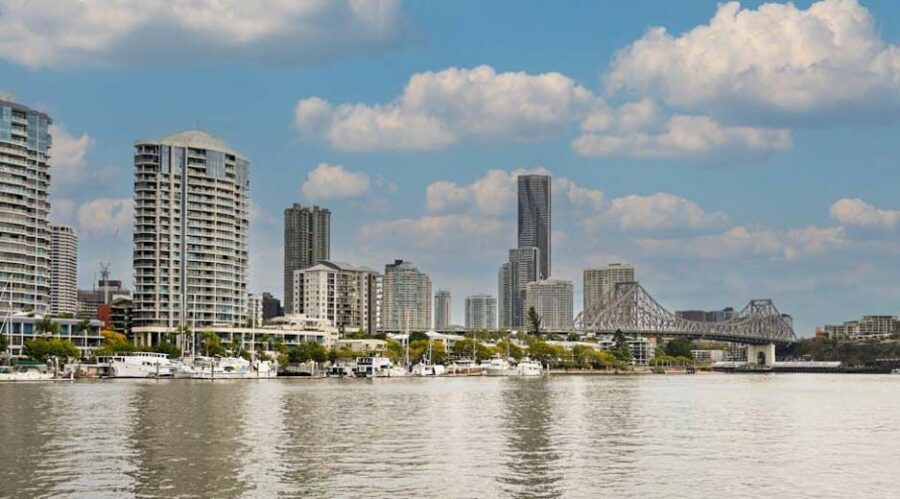
Why Start a Brisbane Trip at the Airport?
Because the airport is the one place where convenience and freedom line up perfectly. You step off the plane, collect the keys, and the city is yours without waiting on a timetable.
Brisbane Airport sits about 12 kilometers northeast of the city center. A rental car turns that transfer into the first leg of the trip rather than a taxi-meter worry. You arrive on your own schedule, luggage and all.
The bigger payoff is what comes after. Brisbane is a launch pad, not just a destination, and a car unlocks the coast and hinterland within an easy drive. Public transport covers the city well, but it cannot follow a whim down the coast.
That flexibility matters most for first-time visitors. The freedom to change plans, chase good light, or detour to a beach is the difference between seeing Brisbane and really exploring it.
Where Should a First-Timer Point the Car?
Straight toward the mix of city and coast that makes the region special. A few drives are almost mandatory:
- South Bank. Riverside parks, galleries, and a city beach, all a short drive from the center.
- Mount Coot-tha. A ten-minute climb to the lookout with the best skyline view in the city.
- The Gold Coast. About an hour south for surf beaches and theme parks.
- The Sunshine Coast. Roughly 90 minutes north for quieter sand and hinterland towns.
- Moreton Bay. Easy waterfront suburbs and ferry points just outside the city.
Each of these is a comfortable day trip with a car and a frustration without one. Tourism Australia’s guide to Brisbane is a useful starting point for building an itinerary.
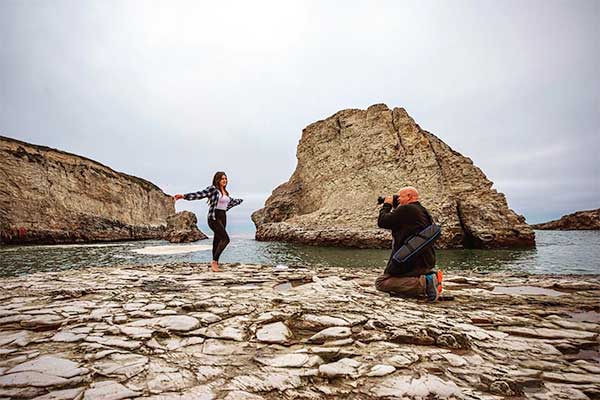
For a traveler who loves coastlines and good light, the drives are the point. The same instinct behind chasing coastal photography elsewhere pays off along the Queensland shore, where the next headland is always a short drive away.
What Makes Brisbane Easy to Explore by Car?
Its layout, mostly. Brisbane is spread out and low-rise, built around a winding river rather than a dense grid. That shape makes driving the natural way to get around.
Parking is generally easier than in older, denser cities. Suburbs have space, attractions have lots, and even the city center is manageable outside peak hours. The car rarely feels like a burden.
The roads themselves are modern and well-signed. Motorways link the airport, the city, and both coasts cleanly, so distances feel shorter than the map suggests. A drive that looks daunting is usually smooth.
This is a region built for the kind of unhurried exploring where you stop when something catches your eye. Travelers who like traveling like a local find a car is what makes those small, unplanned detours possible at all.
What Should You Know About Driving Here?
A few essentials keep the experience smooth for overseas visitors. The table below covers the basics worth knowing before you pull out.
| Detail | What to Know |
| Side of the road | Australians drive on the left |
| Speed limits | Often 50 km/h in town, up to 100 to 110 on highways |
| Tolls | Several Brisbane motorways are electronic toll roads |
| License | A valid US license is generally accepted for visitors |
| Wildlife | Drive carefully at dawn and dusk, especially out of town |
None of this is difficult, but it pays to read up before the first drive. Queensland’s official guidance on driving safely is worth a quick read first. An hour of preparation saves a lot of roundabout confusion later.
Before You Pull Out of the Airport
- Arrange the car for airport pickup so the trip starts the moment you land.
- Plan at least one coast day trip, north or south, while you have wheels.
- Remember Australians drive on the left and many motorways are tolled.
- Carry your US license and confirm it is accepted for your stay.
- Build in time to detour, since the best stops are rarely on the plan.
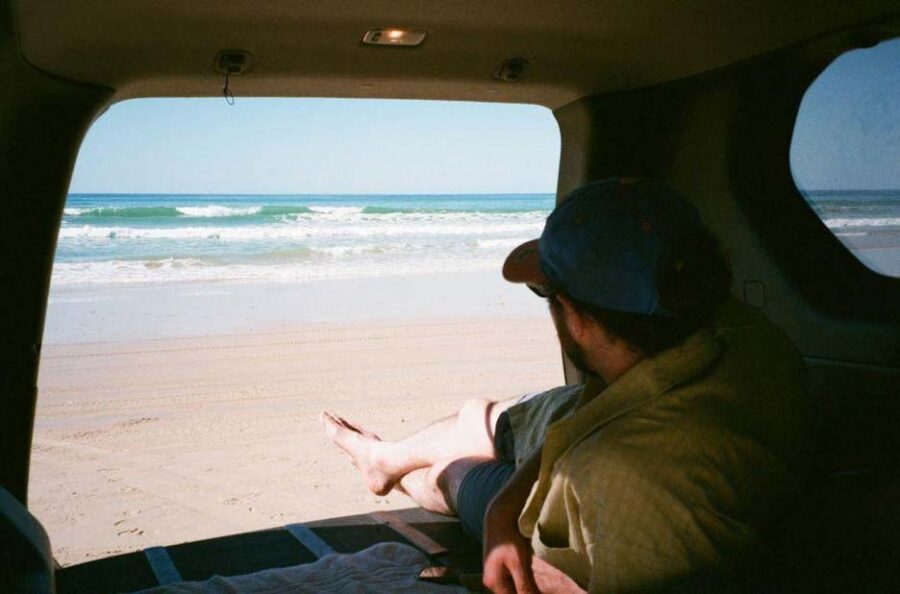
Brisbane, On Your Own Schedule
Brisbane rewards visitors who can move freely, and that freedom starts at the rental counter in the airport. With a car waiting, the city, the coast, and the hinterland all fold into one easy trip rather than a series of bookings. Sort the wheels first, learn the local road rules, and Australia’s sunniest capital opens up at your own pace. The journey from the terminal is where the real trip begins.
Frequently Asked Questions
Is It Worth Renting a Car In Brisbane?
For most visitors, yes. Brisbane is spread out and its best day trips, like the Gold Coast and Sunshine Coast, are an easy drive away. Public transport handles the city center, but a car is what unlocks the wider region on your own schedule.
Can US Visitors Drive In Australia On a US License?
Generally, yes, a valid US license is accepted for visitors, often alongside an international permit for longer stays. The main adjustment is driving on the left. Always confirm the current requirements with the rental company before you travel.
How Far Is Brisbane Airport From the City?
It is about 12 kilometers northeast of the city center, a short drive on the motorway. Picking up a rental car at the airport turns that first transfer into the start of the trip. Traffic is usually light outside commuter peaks.
What Day Trips Are Best From Brisbane by Car?
The Gold Coast is about an hour south for surf and theme parks, while the Sunshine Coast sits roughly 90 minutes north for quieter beaches. Mount Coot-tha and Moreton Bay are even closer. Each is far easier with your own car than by public transport.
EXPLORE SOMEWHERE NEW


BUY A PRINT
All photos on this site are available as limited edition fine art photographic prints. Please get in touch for sizes and rates.